

How to Get Rid of Paint Smell After Painting Indoors
The last coat’s on, the drop cloth’s folded, and the room still smells like paint. Before you buy an air purifier or put the furniture back, give the air in that room a way to get outside.
For ordinary water-based wall paint, that usually means opening windows and keeping fresh air moving for a few days. You can adapt the setup if there’s just one window, or check for an exhaust vent that goes outside if there’s none.
The short version Check the can for ventilation instructions, close and remove leftover paint, and air out the room to the outdoors. If it’s a bedroom and you have somewhere else to sleep, use it while the room airs out.
What to Do After the Last Coat

For a room painted with ordinary water-based wall paint, check the label for ventilation and cleanup instructions. Use the directions on the product itself for solvent-based coatings, spray paint, or paint strippers.
- Put the paint away. Seal leftover paint and take the tray and supplies out of the room, then clean up and store them as the label directs.
- Send the air outdoors. Open windows to get a cross-breeze if the weather and outdoor air allow it. If you can safely secure a fan at a window and the label allows it, face the fan out so it pulls air from the painted room and sends it outside. Turn the fan off and remove it if it rains or snows.
- Give fresh air a way in. Open a second window if you have one so fresh air can replace the air the fan pushes outdoors.
Skip the candles and coffee grounds. Fresh air flowing through the room does more for paint fumes than trying to cover the smell.
How Long Should You Ventilate After Painting?
For a regular indoor paint job, the EPA recommends ventilating during painting and for another two or three days afterward. Follow any additional instructions on the paint label, and keep up as much ventilation as the weather and outdoor air safely allow.
Even when the wall feels dry and the smell has faded, the paint can still release gases. Think of those two or three days as a plan for airing out the room, not a countdown to when it’s safe to move back in.
What If the Room Only Has One Window or None?


One Window
Use the window in the painted room as the exit. If you open a window elsewhere for fresh air, aim for a path that leads into the painted room and straight outdoors.
Make sure fresh air can get in when you run an exhaust fan. A strong fan without enough incoming air can pull combustion gases back indoors from a chimney or fuel-burning appliance.
No Window
Ask building maintenance where the exhaust fan vents if you’re not sure it goes outdoors. Simply opening an interior door can move paint fumes into the next room without giving them a way out.
If you haven’t painted yet, wait until you have a way to vent the room outdoors. If the job’s done, spend as little time in the room as you can and ask the painter or building manager how to air it out.
Can You Sleep in a Freshly Painted Bedroom?
Sleep somewhere else for the first two or three days if you can. The CPSC and EPA painting guide also recommends keeping young children and people with breathing problems out of freshly painted rooms.
If the fumes make you feel dizzy or lightheaded, get to fresh air right away.
Will an Air Purifier Help With Paint Fumes?
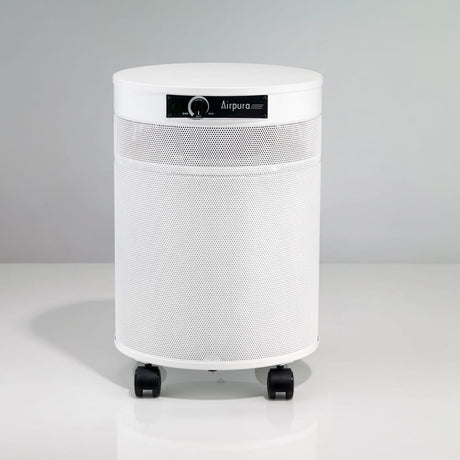
Activated carbon
Can trap some paint gases
HEPA
Catches dust and other particles
For one room you’ve just painted, see what a few days of fresh air can do before you spend money on a purifier. If you already have a unit with a substantial activated carbon filter, run it alongside the ventilation to help reduce some of the gases from paint.
When you’re shopping for a purifier for the smell, look at how much carbon the filter holds and which gases it’s designed to trap.
If you’re painting several rooms or dealing with odors from new flooring or cabinetry too, compare our air purifiers for paint fumes and other chemical odors.
Not sure which filter you need? Our guide to choosing a purifier for VOCs explains how the filters differ and what replacements cost.